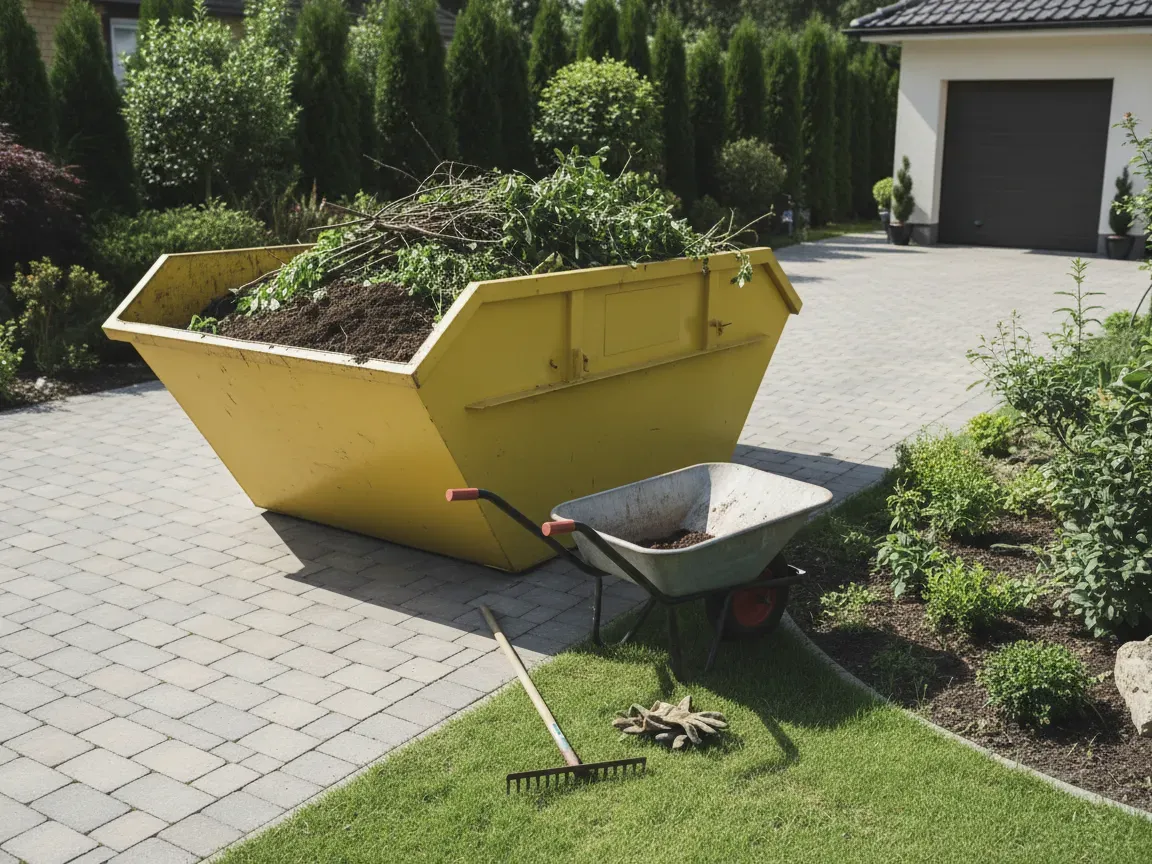
Revitalizing an outdoor living space represents one of the most rewarding home improvement projects you can undertake. Cultivating a vibrant lawn, designing decorative flower beds, or laying down fresh flagstone pavers enhances your personal environment and brings a grounded sense of calm to daily life. However, extensive landscaping projects inevitably produce an astonishing amount of debris. When shovel meets dirt, homeowners frequently find themselves facing mountains of wet soil, dense sod, aged paving slabs, and thick tree trunks. Managing this debris manually or attempting to pack it into standard curbside bins often leads to unnecessary stress, physical strain, and neighborhood clutter.
Taking control of your outdoor space requires a smart disposal plan that balances efficiency with mindful living. Utilizing specialized waste containers offers an organized way to clear heavy materials without turning your driveway into an obstacle course. By understanding the logistics of large cleanups, you protect your physical health, enhance your property, and ensure that valuable organic materials transition responsibly through modern recycling streams.
Why yard cleanouts generate excess weight quickly?
Pruning a few decorative bushes during a weekend afternoon is easy enough to handle, but transformative landscaping generates volume and density at an alarming rate. Earth, clay, and roots carry substantial moisture content. A single cubic yard of damp topsoil can weigh over two thousand pounds, which quickly exceeds the physical capabilities of everyday plastic yard bags. When you dig out an old patio, tear up overgrown turf, or excavate a trench for a retaining wall, the sheer mass accumulates long before you fill the visual space of a collection area.
Standard city collection programs are strictly designed for light organic matter such as dry leaves, small twigs, and modest grass clippings. Subjecting these neighborhood services to chunks of concrete, dense clay, or thick root balls will quickly result in rejected pickups or cracked bins. Trying to move heavy debris in multiple small containers also creates a severe hazard for your back and shoulders. Recognizing early on that natural elements carry immense weight allows you to step back, avoid physical burnout, and seek out professional solutions designed specifically to bear heavy loads.
Selecting the right container capacity for dense soil and branches
Choosing an appropriately sized container forms the foundation of any seamless renovation. When faced with a massive pile of garden rubble, the instinct might be to order the largest open bin available. For heavy inert materials like brick, crushed concrete, and dense earth, opting for excessive capacity can backfire due to legal weight limits on transport vehicles. Heavy debris requires specialized, reinforced mini or midi containers engineered to stay within road safety limits when fully loaded.
If your project involves a balanced mixture of light hedge trimmings, rotted fence panels, and dense dirt, calculating total volume helps prevent multiple transport runs. Working with reputable skip hire ealing services allows you to select the exact container rating suitable for inert ground cover without paying for unused space or risking an overweight collection refusal. Evaluating your landscape layout beforehand gives you the clarity to align bin dimensions with the actual composition of your yard debris.
Practical loading strategies that maximize bin space safely
Packing a heavy-duty container requires deliberate strategy rather than random throwing of materials. The way you layer your yard debris dictates how much volume you can fit and how safely the container can be transported down residential streets. Treat the container like a puzzle, starting with the heaviest and most compact items along the base.
Begin by laying broken patio stones, concrete rubble, and dense soil evenly across the floor. This establishes a low center of gravity and prevents the bin from shifting unevenly when lifted. Once the foundation is level, stack heavier logs, root systems, and bulky timber pieces tightly together to minimize hollow pockets. Use pruning shears or a saw to cut awkward branches into straight segments so they do not bridge gaps or push against the sides.
Save loose grass clippings, foliage, and lightweight organic matter for the final layer, allowing these elements to filter into small crevices between larger branches. Always keep the final surface level with the top rim of the container. Overfilling creates severe road hazards and forces drivers to refuse pickup until the excess is cleared, costing you valuable time and peace of mind.
Managing yard debris disposal rules and environmental guidelines
Responsible homeownership means considering the lifecycle of every material leaving your property. Green waste presents an exceptional opportunity for sustainable reclamation because much of what you dig up can be reprocessed into nutrient-rich compost, wood chips, or aggregate foundations for local infrastructure projects. However, mixing hazardous household items into green loads ruins the recycling stream.
Treated wood coated with chemical preservatives, leftover chemical fertilizers, pressure-treated decking, and plastic weed barriers must be separated from pure organic matter. Contaminating a load of healthy topsoil with banned items can turn a recyclable resource into expensive landfill trash. When you coordinate your disposal through licensed regional haulers, you guarantee that clean green matter reaches proper industrial processing facilities. This thoughtful approach preserves regional soil quality and aligns your personal renovation goals with broader environmental care.
How to organize outdoor waste removal for a stress-free project?
A calm, satisfying renovation depends entirely on pacing and preparation. Before your container arrives, map out clear walking paths from your garden beds to the drop-off location. Clearing obstacles along garden gates, laying down protective boards over delicate turf, and keeping wheelbarrow tires properly inflated dramatically reduces physical exhaustion during long work sessions.
Time your container delivery directly with the peak manual labor phase of your project. Having an open bin ready before breaking ground prevents unsightly piles from killing underlying grass or creating slippery mud hazards during rainstorms. Invite friends or family to tackle distinct zones of the yard, and schedule intentional rest periods to hydrate and appreciate the progress you are making. Approaching garden clearance with an organized system transforms what could be grueling manual labor into a rewarding lifestyle upgrade.
Achieving long-term harmony in your outdoor space
Transforming an unruly garden into a personal sanctuary requires equal parts creative vision and practical logistics. When you respect the physical weight of natural debris and employ purpose-built disposal tools, you protect both your property and your well-being. Outdoor projects should leave you feeling accomplished and connected to your living environment rather than overwhelmed by lingering clutter.
Implementing structured waste management techniques turns a challenging outdoor cleanout into an efficient, predictable routine. By pairing sensible safety measures with dependable regional transport options, you create a clear path toward an inviting, tranquil landscape that elevates your everyday life.