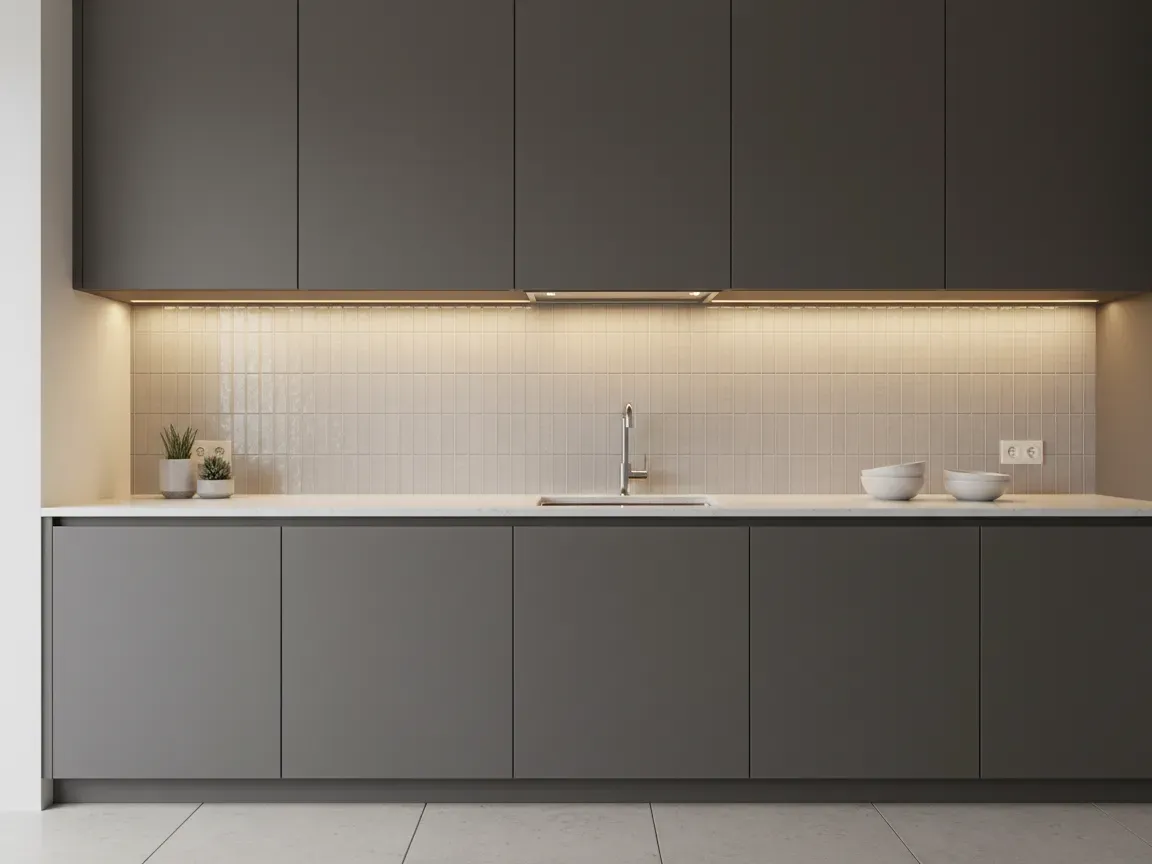
Flexible LED strip lights have revolutionized contemporary residential lighting, offering endless possibilities for subtle under cabinet illumination, cove accents, and striking architectural details. With their peel-and-stick adhesive backings, these ribbons of tiny light-emitting diodes seem deceptively simple to install directly onto almost any household surface. However, sticking bare tape lights directly to bare wood, drywall, or laminate furniture frequently results in premature failure, uneven lighting, and an unfinished DIY appearance.
Integrating dedicated housing transforms simple ribbon lighting into a robust, high-performance architectural fixture. By pairing raw tape lights with durable metal channels and specialized covers, homeowners solve fundamental issues regarding thermal performance, optical quality, and physical defense. Understanding these practical mechanics helps ensure that your interior illumination investments deliver crisp aesthetics and uninterrupted performance for years to come.
Why bare tape lights struggle with heat dissipation?
A widespread misconception about solid-state lighting is that light-emitting diodes operate cold. While LEDs convert electricity into lumens much more efficiently than traditional incandescent bulbs, they still generate considerable thermal energy right at the microscopic semiconductor level. In standard strip formats, dozens or even hundreds of compact components are crowded closely together along a flexible, paper-thin printed circuit board that possesses negligible thermal mass.
When you attach a bare strip directly to thermal insulators like drywall, painted MDF, or solid wood cabinets, that generated heat has nowhere to escape. Over time, trapped thermal energy raises the junction temperature within each individual diode. Sustained operational heat accelerates phosphor degradation, causing the white light to drift toward an unpleasant greenish or yellowish hue, while drastically shortening operational life. Furthermore, continuous heat cycles rapidly degrade the chemical adhesives on the back of flexible ribbons, causing the fixture to sag, warp, and detach from surfaces.
Using specialized aluminium profiles for LED lighting provides an effective heat sink that draws thermal energy away from the delicate circuit board. Metal acts as an efficient conductor, spreading the localized warmth over a significantly wider surface area where ambient air can safely dissipate it. This thermal management ensures optimal performance, preserves precise color temperatures, and keeps the diodes running within their manufacturer-specified operating thresholds.
The secret to eliminating harsh hot spots
Bare strips installed without diffusers often generate a distracting visual flaw known as diode dotting or hot spots. Because light radiates from distinct point sources spaced along the flexible strip, exposed ribbons cast rhythmic, pin-pricked reflections onto polished quartz countertops, glossy tiled backsplashes, and hardwood flooring. In addition to creating visual clutter, looking directly at unshielded micro-diodes produces uncomfortable glare that strains the eyes.
Specialized diffuser covers work in tandem with channel enclosures to blend separate points of brightness into a continuous, uniform beam. Manufactured from engineered polycarbonate or acrylic, diffusers feature microscopic particles that scatter incident photons across the entire surface of the lens. Rather than perceiving multiple harsh dots, the human eye sees a clean, neon-like stroke of smooth illumination.
Selecting the right cover finish dictates the final ambience of the room. Clear lenses offer maximum lumen output with minimal scattering, making them best suited for deep recesses where direct sightlines are blocked. Semi-frosted covers balance light transmission with modest smoothing, while dense opal or milky diffusers excel at total diffusion, wiping out distinct diode patterns entirely to establish high-end architectural appeal across visible installations.
How proper housing protects fixtures from everyday dust?
Household environments subject exposed electronics to continuous wear, airborne debris, and unexpected physical impacts. In utility rooms, high-traffic corridors, and under-counter cooking zones, raw circuit traces remain completely exposed to grease splatters, humidity, and fine dust. Accumulated airborne particulate matter on uncovered diodes forms an insulating blanket that worsens thermal buildup while dulling light output.
Enclosing LED strips inside secure housings creates a physical barrier against routine household hazards. A rigid track shields fragile solder joints and flexible copper traces from accidental snags during vacuuming, dusting, or wiping down countertops. Fitted end caps and snug-fitting covers block curious fingers and pet contact, drastically reducing the chances of mechanical damage.
Moisture defense is equally vital in specific areas of the home, such as full bathrooms, kitchen sink basins, and laundry spaces. While bare tape lights with outdoor ratings exist, their silicone coatings can turn yellow and crack over time due to heat. Placing dry-rated strips inside sealed channels prevents ambient humidity from contacting vulnerable solder joints, delivering long-lasting structural reliability without sacrificing optical clarity.
Aesthetic benefits for modern residential spaces
From a purely decorative perspective, exposed tape lights rarely convey the clean sophistication that modern interior designs demand. Raw copper tracks, bright yellow phosphor chips, and tiny surface resistors look inherently industrial and incomplete when exposed to open view. Whenever family members or guests sit at a dining table, lounge on low furniture, or walk past kitchen islands, uncovered strips break the clean visual lines of the room.
Architectural channels provide a deliberate, tailored finish that integrates effortlessly into modern millwork, custom cabinetry, and drywall surfaces. Whether powder-coated in matte black, painted clean white, or finished in sleek anodized silver, a metal track reads as a premium fixture rather than an afterthought. Recessed installation variants allow the housing to sit flush with the surrounding material, hiding the mechanical body entirely and revealing only an elegant ribbon of light.
By elevating basic tape lights into defined linear luminaires, homeowners gain precise control over beam direction and shadow placement. Angled corner enclosures permit forty-five-degree positioning inside cabinets or along floor baseboards, casting light inward rather than straight out into the viewer’s direct field of view. The result is a curated interior environment enriched by intentional accent lighting that flatters textures and materials throughout the home.
Key factors when selecting channel dimensions
Finding the right channel involves balancing available mounting space with your desired lighting characteristics. The internal width of the profile must accommodate the physical dimensions of your chosen ribbon, particularly if you are working with wider color-changing RGBW strips or running parallel rows of tape light for enhanced task brightness. Verifying the internal width prevents pinching or damaging the strip during placement.
Profile depth plays a decisive role in achieving completely spot-free lighting effects. Shallow tracks position the diffuser cover very close to the diode surface, meaning individual light cones may not overlap sufficiently to erase visible dots unless you use ultra-dense strips. Deeper channels provide the necessary air gap for scattered photons to intermingle fully before exiting the lens, creating seamless glow even with standard strip densities.
Mounting configurations also dictate profile geometry. Surface-mounted options attach directly onto flat planes using discreet mounting clips or countersunk screws, making them ideal for retrofitting beneath upper cabinets. Recessed designs feature extended wings that overlap routered grooves in woodwork, concealing rough cut edges for seamless flush integration. Corner profiles incorporate triangular backs to nest securely into ninety-degree cabinet junctions, directing beam output precisely where illumination is needed.
Smart planning tips for a seamless installation project
Successful linear lighting installations depend heavily on thorough preparation and careful measurements before cutting materials. Map out the path of your wiring runs, noting where power leads will enter the profile. Drilling clean entry holes through the back or sides of the track and fitting protective grommets prevents sharp metal edges from cutting into delicate conductor insulation during assembly.
Cutting metal channels cleanly requires standard woodworking or metalworking tools equipped with the right blade. A miter saw paired with a fine-toothed non-ferrous carbide blade yields crisp, perpendicular cuts without rough burrs. Always cut the channel and its corresponding plastic diffuser lens together while the lens is snapped firmly in place; this simple trick ensures both parts match in length and prevents the plastic from fracturing.
Surface preparation is just as critical for long-term mechanical reliability. Before peeling the protective film from the strip’s thermal adhesive backing, thoroughly clean the interior surface of the metal profile using isopropyl alcohol to remove machine oils, dust, and fingerprints. Firm, even pressure along the entire length of the flexible circuit board ensures maximum surface contact, optimizing both thermal transfer into the housing and permanent mechanical adhesion.
What proper housing means for long term home lighting?
Choosing dedicated housings turns fragile rolls of light tape into enduring, professional illumination systems throughout your living spaces. Investing in the right metal pathways and diffusers addresses the thermal and optical weaknesses inherent to raw circuit boards, ensuring consistent color quality, extended component lifespan, and a comfortable glow free of harsh glare.
Beyond basic mechanics, proper fixtures introduce timeless elegance to under-cabinet surfaces, stair treads, and custom millwork. Taking the time to select appropriate profile depths and finishes guarantees that your residential lighting projects deliver both reliable functionality and exceptional visual appeal across every room.