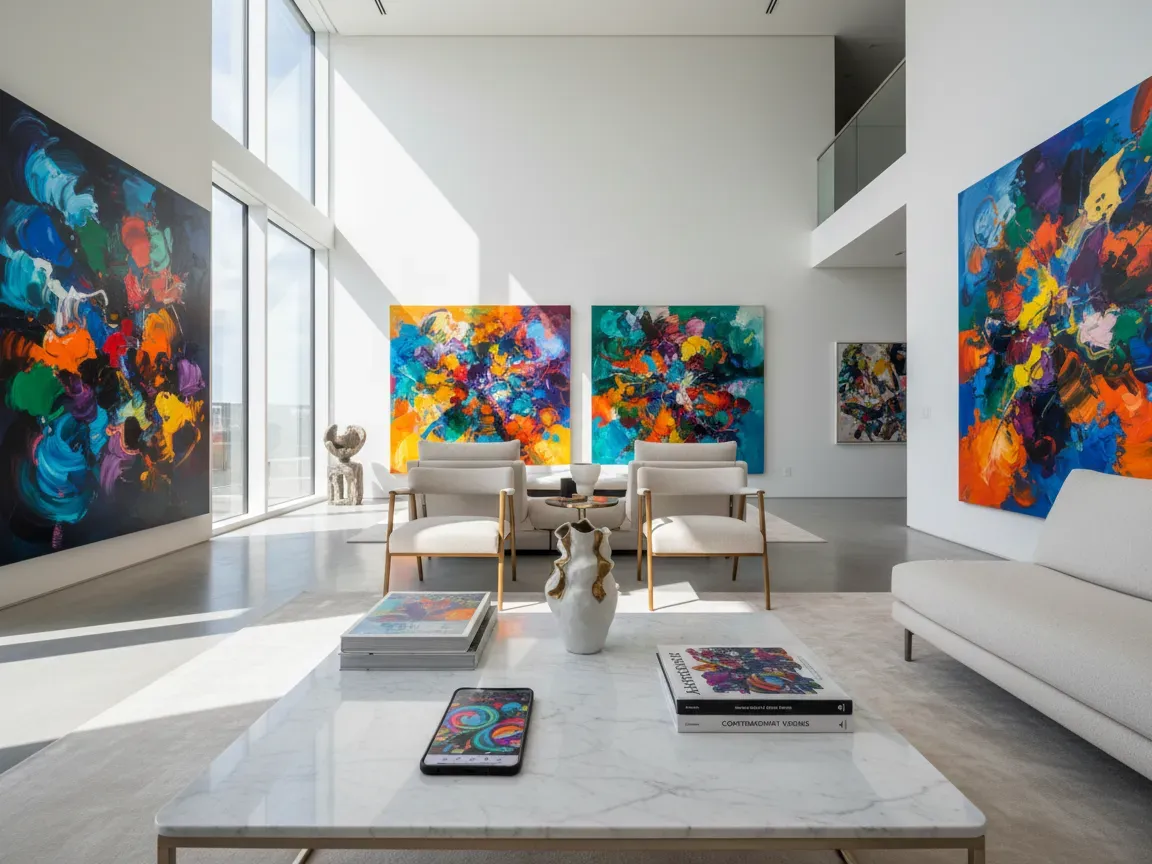
A quiet transformation is remaking the international art world, driven by buyers who have barely entered their twenties. Armed with inheritance capital and smartphone screens, Generation Z collectors are spending substantial sums on contemporary pieces, bypassing the dusty formalities that once defined blue-chip collecting.
Their entrance has startled traditional institutions. Rather than waiting decades to cultivate institutional relationships, these young patrons are writing checks for five- and six-figure works, relying on direct digital access to shape their collections.
How Gen Z Outspends Older Generations in Today’s Art Market?
Recent market surveys indicate that young, high-net-worth individuals are allocating a larger share of their disposable income to fine art than baby boomers or Gen X collectors. Where older generations viewed collecting as a patient, mid-career pursuit tied to homeownership and social status, Gen Z treats art as an immediate passion asset and an essential part of their lifestyle.
Their transactions happen faster and with less hesitation. While seasoned buyers often spend months consulting art advisors, visiting physical previews, and reviewing condition reports, younger collectors frequently pull the trigger after seeing a single high-resolution image. This rapid cadence has created sudden market spikes for emerging painters and sculptors, leaving traditional auction houses scrambling to keep pace with their buying velocity.
The Great Wealth Transfer Fueling Young Collectors
The engine behind this aggressive spending is the ongoing intergenerational wealth transfer. Over the coming decades, tens of trillions of dollars will move from baby boomers to their children and grandchildren, and a notable portion of that liquidity is already flowing.
Family offices and trust funds increasingly grant younger family members control over personal investment allocations. Many choose fine art because it offers tangible cultural prestige alongside potential capital appreciation. Instead of holding cash or park wealth solely in equities, these heirs deploy their inheritances into visual culture, using inherited resources to establish independent identities as patrons.
Instagram as the New Auction Floor and Gallery Space
Social media is no longer just a promotional tool for artists; it has become the primary infrastructure of discovery and commerce. Instagram functions as a global viewing room open around the clock, removing the intimidation factor once weaponized by high-end galleries.
Young collectors interact directly with creators through direct messages, track studio progress via daily stories, and finalize deals without ever stepping inside an exhibition space. This digital pipeline delivers distinct advantages:
- Instant discovery of global talent without travel overhead or gallery gatekeeping
- Transparent pricing discussions conducted directly between studio and buyer
- Frictionless sharing among peers, which builds instant buzz around newly posted works
- Real-time documentation of the creative process, establishing an intimate connection with the maker
By centering discovery on the feed, Gen Z has democratized their own access while rendering physical location largely irrelevant.
What Tastes and Values Drive Modern High-Value Purchases?
The aesthetic choices of Gen Z collectors diverge sharply from the minimal, conceptual, or institutional preferences of their predecessors. They prioritize vibrant figuration, personal identity narratives, and pieces that address contemporary social themes. A painting must resonate emotionally while maintaining visual impact on a phone screen.
Moreover, these buyers heavily favor living, emerging artists from diverse backgrounds. They view acquisitions as direct investments in creative communities rather than passive holdings of historical masters. Craft, distinct personal voice, and ethical resonance carry far more weight than an artist’s exhibition history at major museums.
Why Traditional Gallerists Must Adapt to Digital-First Buyers?
Brick-and-mortar dealers who insist on opaque pricing and hushed, white-cube exclusivity risk alienating the most liquid demographic in the market. Gen Z buyers expect straightforward communication, transparent price lists, and frictionless digital payment options.
To stay relevant, commercial galleries are overhauling their sales strategies. Gallerists now publish pricing upfront, optimize their digital viewing rooms for mobile devices, and maintain active social channels that match the conversational tone of their new clientele. Those refusing to modernize find themselves cut out of deals entirely as collectors buy straight from studios or digital-native dealers.
The Long-Term Impact on Emerging Artists and the Global Art Trade
The rise of youth-driven collecting is flattening the art hierarchy. Creators no longer need to spend years courting gallery representation in major hubs like New York, London, or Paris to achieve financial stability. A compelling body of work shared online can attract serious patrons within days.
However, this speed introduces real volatility. Emerging painters often experience intense market hype very early in their careers, driven by rapid social sharing and speculative secondary-market sales. Sustaining a decades-long studio practice requires careful navigation when values can surge and plateau within a single exhibition cycle.
How the Next Era of Art Patronage Takes Shape?
The convergence of inherited capital and digital connectivity has broken the traditional monopoly on who gets to influence cultural value. By treating contemporary art as an accessible, immediate form of expression rather than an exclusive asset class reserved for the elderly elite, Gen Z is setting a new precedent for creative commerce.
For artists, gallerists, and market observers, understanding this audience is no longer optional. The collectors who will anchor the market for the next half-century do not wait for invitations to private previews; they find what moves them on their screens and secure it on their own terms.