A rare visual record of 1970s America is finally stepping out of government archives and into the public eye. Over two hundred restored photographs, originally commissioned by federal agencies to document a rapidly changing country, are currently on view at the Smithsonian American Art Museum. These pictures capture an unfiltered look at communities, workplaces, and natural environments during a turbulent decade.
Rather than polished public relations imagery, the collection delivers raw, human-centered storytelling. Visitors can trace how ordinary citizens navigated economic uncertainty, environmental concerns, and cultural revolutions across every corner of the United States.
Rediscovering 1970s America Through Government-Funded Lenses
During the 1970s, the federal government embarked on an ambitious cultural endeavor reminiscent of the Great Depression-era Farm Security Administration. By dispatching professional photographers across all fifty states, agencies sought to build a comprehensive baseline of American life.
The Smithsonian exhibition pulls these frames directly from deep federal holdings, presenting more than 200 striking prints. Many of these pictures have not been seen by the public since their original filing.
Looking at the collection today reveals a striking contrast to modern digital photography. Shot primarily on film, the images convey authentic textures, candid expressions, and spontaneous interactions that feel both distant and surprisingly familiar.
Why Did Federal Agencies Commission Documentary Photographers?
The project began as an effort to document the impact of rapid modernization, industrial development, and environmental legislation. Federal leaders recognized that the country stood at a critical turning point and needed a permanent visual record.
Several core priorities shaped the original assignments:
- Recording environmental conditions before and after new federal conservation rules took effect
- Documenting small towns facing industrial decline alongside booming urban centers
- Preserving the daily routines, cultural traditions, and working conditions of diverse ethnic communities
- Creating an open public archive for future historians, planners, and citizens
The photographers received remarkable creative freedom. Instead of staging rigid institutional portraits, they immersed themselves in neighborhoods, factories, schoolyards, and rural farms.
Everyday People and Shifting Landscapes Across the Nation
The subjects featured in the exhibition reflect the sheer variety of American geography and society. In one gallery, visitors encounter steelworkers in the Rust Belt facing the early tremors of deindustrialization. In another, frames show families relaxing in sun-drenched suburban parks, youth gathering on city street corners, and ranchers working in the arid American West.
These photographs capture a nation actively redefining itself. The visual narrative highlights the tension between progress and preservation. Concrete freeways cut through historic neighborhoods, while pristine natural reserves stand in stark opposition to sprawling strip malls and crowded downtown corridors.
Beyond physical geography, the portraits document personal resilience. The photographers focused on candid human moments: quiet conversations on front porches, workers taking midday lunch breaks, and children inventing games in vacant lots.
Key Artists Behind the Iconic Visual Archive
The federal initiatives drew established masters as well as emerging talents who would go on to shape modern visual culture. These artists brought sharp technical skill and distinct personal perspectives to their assignments.
Prominent contributors brought diverse creative approaches to the field:
- Bruce Davidson documented intimate urban streetscapes, highlighting community life in dense metropolitan areas.
- Danny Lyon focused on marginalized groups, capturing countercultural scenes and prison conditions with intense empathy.
- Lyntha Scott Eiler spent months photographing close-knit Appalachian towns, recording regional traditions and domestic life.
- Arthur Tress captured striking surrealist frames that explored the intersection of human industry and coastal ecology.
Each photographer brought an individual artistic voice to the federal mandate, ensuring the collection avoided bureaucratic monotony.
How to Experience the Exhibition in Person and Online?
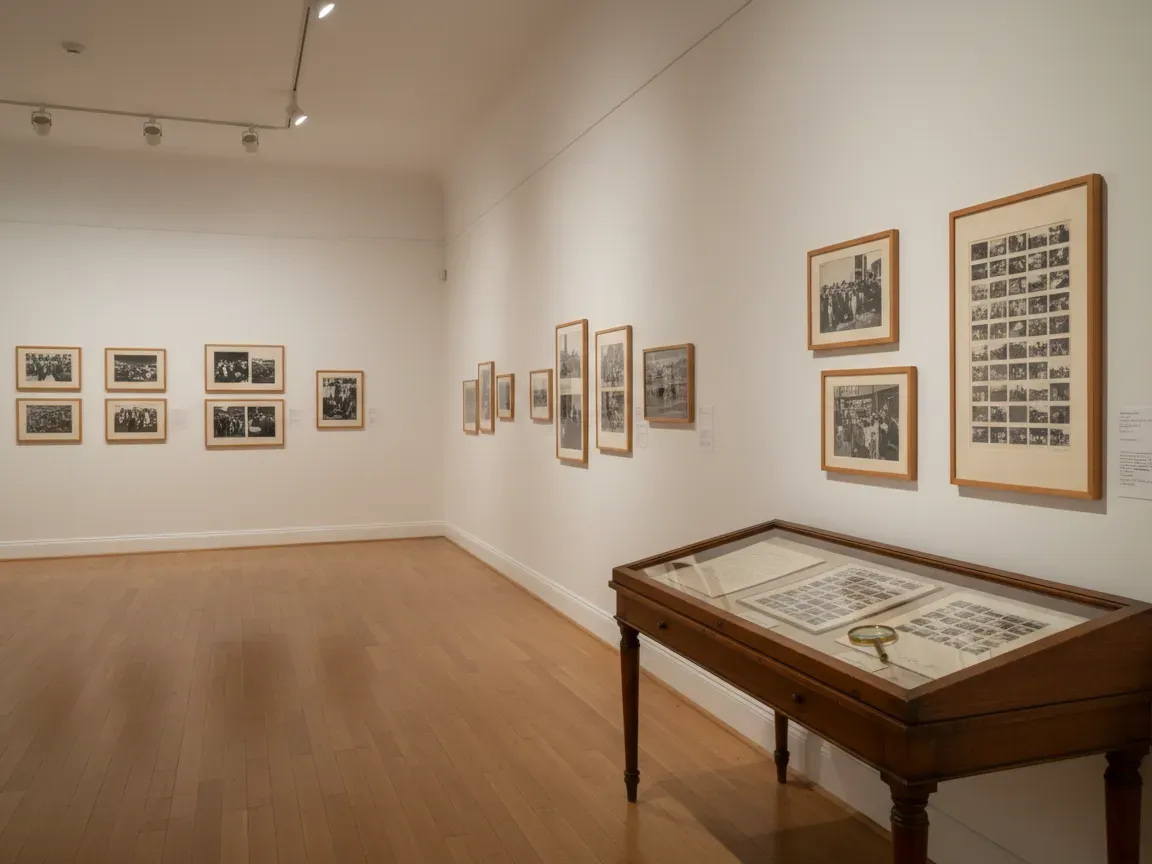
The Smithsonian American Art Museum in Washington, D.C., hosts the physical gallery presentation, pairing vintage prints with field notes, contact sheets, and historical context. The physical installation organizes the works thematically, guiding viewers through work, leisure, and community spaces.
For audiences outside the capital, the Smithsonian offers an expansive digital portal. High-resolution scans, curator essays, and interactive maps let virtual visitors explore the images by region and photographer. Public access ensures that this federally funded archive fulfills its original democratic mission.
What These Restored Images Teach Us About Modern America?
Studying these photographs proves that the debates of the 1970s never truly ended. Questions about clean air, industrial jobs, urban renewal, and civil equality remain front and center in contemporary public discourse.
Seeing ordinary Americans confront these challenges half a century ago provides valuable perspective on current struggles. The archive reminds us that progress is uneven and that everyday citizens carry the real weight of social transition.
These photographs serve as an indispensable bridge between generations. By returning these government-commissioned works to the public, the exhibition invites everyone to look closely at where the nation has been and consider where it is heading next.